Geotechnical Engineering & Site Investigation

Understanding the
Ground Beneath
Your Project

We do site investigations, soil mechanics, foundation design, slope stability analysis, and ground improvement. Strasan Group provides professional geotechnical engineering services you can rely on across Kenya and East Africa.

EBK Registered
Site Investigation Specialists
Laboratory Testing
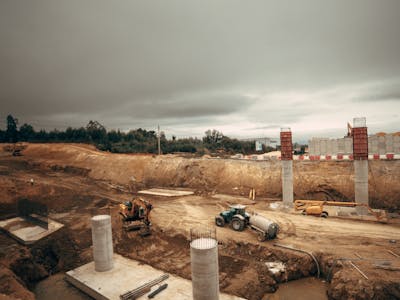
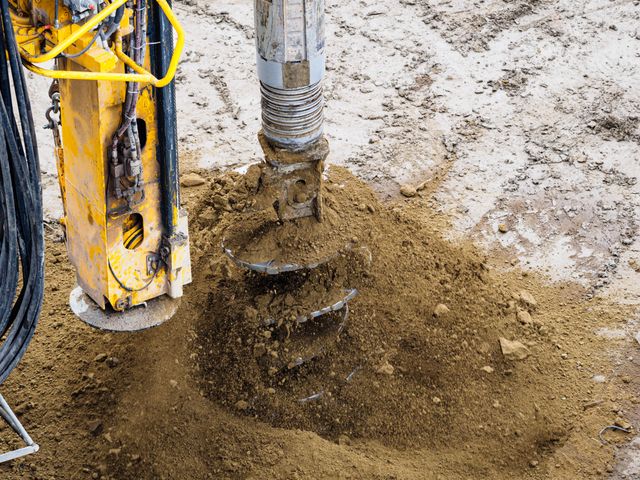
Geotechnical site investigation and soil testing in Kenya
150+
Site Investigations
8+
Geotechnical Engineers
2000+
Soil Tests Conducted
15+
Years Experience
The Foundation of Safe Construction

Unknown Ground Conditions Create Structural Risk

Poor site investigation is one of the biggest reasons foundations fail, buildings crack, and construction budgets blow up. If you don't know what's underground — soil type, water levels, weak layers — you can't design a foundation that works. Our structural engineering team and highway engineers rely on these investigations for safe designs across Kenya.

Foundation Failures & Structural Distress

Skip proper geotechnical investigation, and your foundation might be too weak for the actual ground conditions. Result? Settlement, cracking, and in bad cases, collapse.

Unexpected Ground Conditions

Hidden weak layers or unexpected groundwater mean redesigns mid-construction. That stops work, burns time, and drives up costs fast.

Slope Instability & Landslide Risk

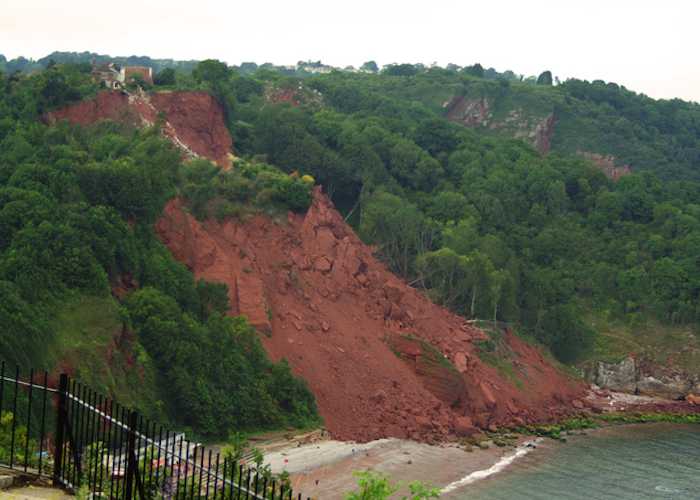
Cut slopes, embankments, and natural hillsides need proper assessment. Get it wrong, and you're looking at expensive repairs — or worse, a landslide.

Our Services

Geotechnical Engineering Services

We cover the full range of geotechnical work — from initial site assessment and testing to foundation recommendations and on-site quality control during construction.

01
Site investigation borehole drilling in Kenya

Site Investigation & Subsurface Exploration

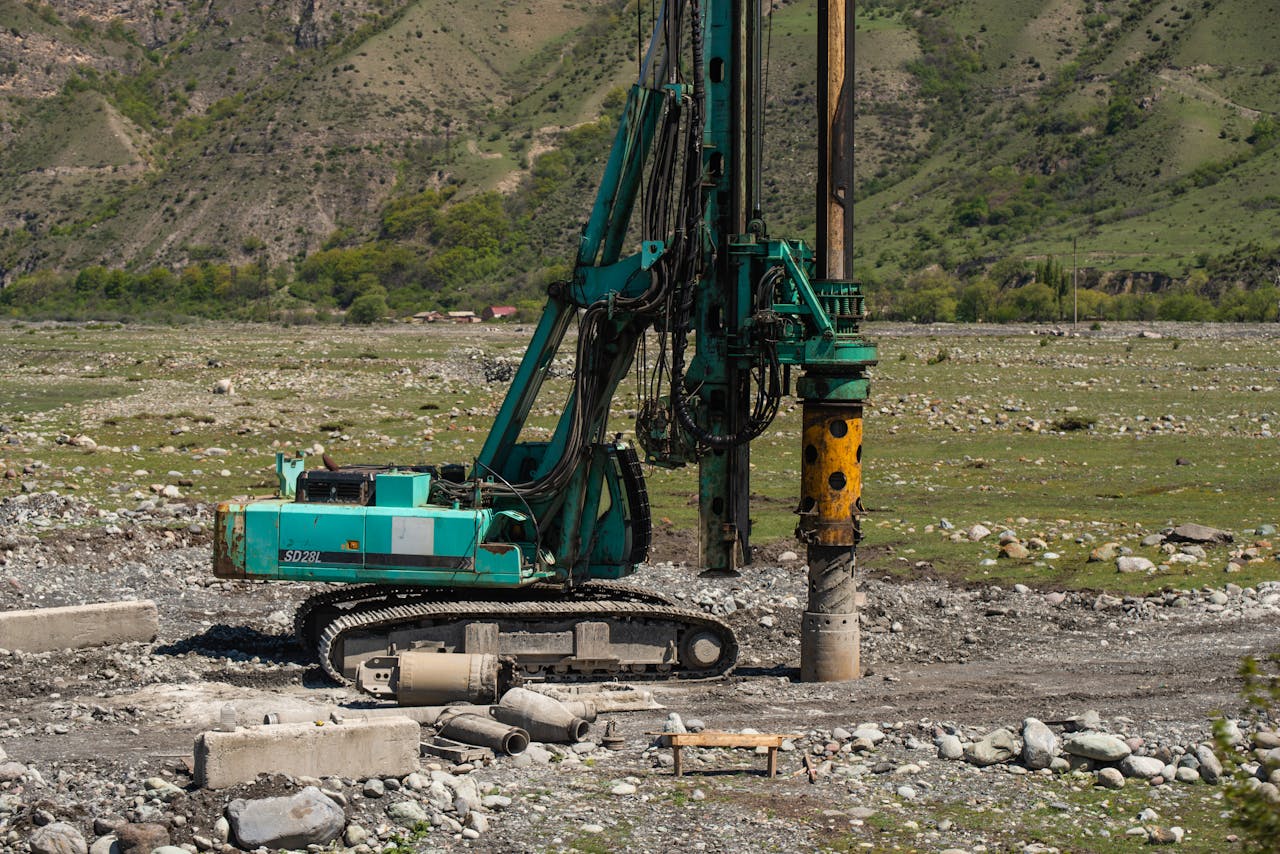
We plan and execute geotechnical site investigations — trial pitting, borehole drilling, in-situ testing (SPT, CPT), and groundwater monitoring for buildings, roads, and other civil projects.

✓ Included: Borehole logs & field records
02
Soil laboratory testing Nairobi

Soil & Rock Laboratory Testing

We run full lab tests — classification (grading, Atterberg limits), strength (triaxial, direct shear), consolidation, compaction, and California Bearing Ratio (CBR) tests. All results are documented in certified reports.

✓ Included: Certified test reports
03
Foundation design engineering Kenya

Foundation Design & Recommendations

We analyse soil properties to give you bearing capacity calculations, settlement analysis, and clear recommendations for shallow or deep foundations. No guesswork.

✓ Included: Foundation design report
04
Slope stability analysis Kenya

Slope Stability & Landslide Assessment

We assess natural and cut slopes, calculate safety factors, and design reinforcements like soil nails or retaining walls. If there's landslide risk, we tell you how to fix it.

✓ Included: Slope stability analysis
05
Ground improvement techniques Kenya

Ground Improvement & Stabilisation

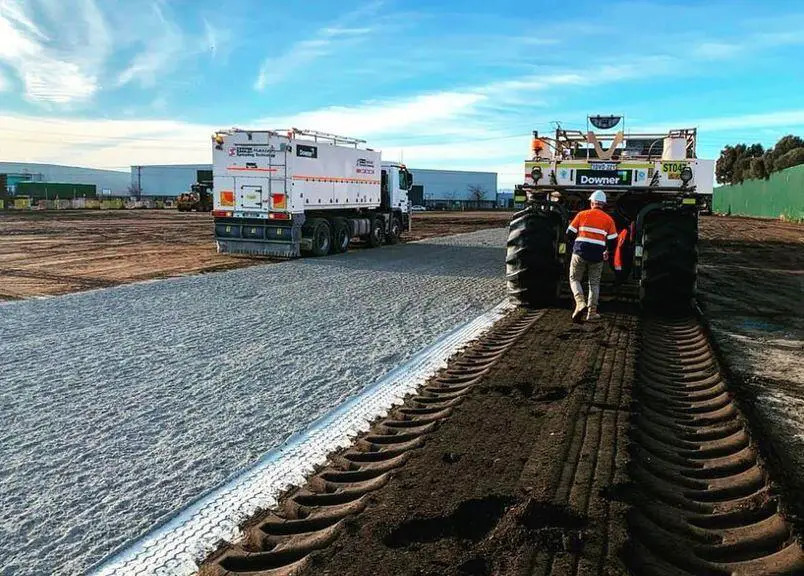
We design and supervise ground improvement — dynamic compaction, stone columns, lime or cement stabilisation, and wick drains for soft ground. We make weak soil buildable.

✓ Included: Ground improvement specifications
06
Construction quality control testing Kenya

Construction Quality Control & Verification

We do field density testing, plate load tests, pile integrity testing, and geotechnical verification during earthworks and foundation construction. We make sure the work matches the design.

✓ Included: Quality control reports
Our Approach

Geotechnical Investigation Process

01

Desk Study & Site Reconnaissance

We review existing maps and previous investigations, then walk the site to check access, spot hazards, and get a feel for the ground conditions.

Week 1
02

Field Investigation

We drill boreholes, dig trial pits, run in-situ tests (SPT, CPT, vane shear), and monitor groundwater — all to UK and Kenyan standards.

Weeks 2–4
03

Laboratory Testing

We test soil and rock samples for classification, strength, consolidation, and chemistry. This tells us the engineering properties we need.

Weeks 3–5
04

Analysis & Interpretation

We derive geotechnical parameters, run settlement analysis, calculate bearing capacity, and model slope stability.

Weeks 5–6
05

Reporting & Recommendations

You get a detailed geotechnical report with foundation recommendations, design parameters, and construction specifications.

Week 6–7
Our Clients

Trusted by Leading Infrastructure & Development Organisations

We have partnered with these organisations to deliver reliable geotechnical investigations and foundation solutions across Kenya and East Africa.

Credentials

Geotechnical Qualifications & Standards

Our geotechnical engineering team follows recognised international and Kenyan standards including BS 5930, Eurocode 7, and local building codes. We run our lab tests under qualified supervision with calibrated equipment.

  • EBK Registered Civil Engineering Consultancy
  • Specialist Geotechnical Engineers on Staff
  • In-House Soil Mechanics Laboratory
  • Experience with BS 5930, EC7, AASHTO Standards
  • Over 150 Site Investigations Completed
150+
Site Investigations
2000+
Laboratory Tests
BS 5930
UK Standards
ISO
Quality Procedures
FAQ

Geotechnical Engineering Questions

Here's what clients in Kenya usually ask us about site investigations and geotechnical services.

When should a geotechnical site investigation be done?
+
Do it during feasibility or preliminary design — before detailed structural work starts. That way your foundation design can be optimised for actual ground conditions, and you avoid costly redesigns during construction.
How many boreholes does my project need?
+
It depends on project size, ground variability, and structure type. For a typical building, we recommend one borehole per 200-400m² of footprint. For roads, spacing of 200-500m is typical. We give you a tailored plan after reviewing your site.
What tests are included in a standard soil investigation?
+
Standard testing includes soil classification (grading, Atterberg limits), moisture content, density, shear strength (triaxial or direct shear), consolidation, and chemical analysis for aggressive soils. We add more tests if your project needs them.
How long does a geotechnical investigation take?
+
For a typical site: field work takes 1-3 weeks, lab testing 2-3 weeks, analysis and reporting 1-2 weeks. Total is usually 4-8 weeks. Complex sites or difficult soils can take longer. Expedited services are available.
Do you provide geotechnical services outside Kenya?
+
Yes. We've done geotechnical investigations in Somalia, South Sudan, Tanzania, and Uganda. We can mobilise for projects across East Africa and the Horn of Africa region.
What's included in your geotechnical report?
+
Our reports include borehole logs, lab test results, geological interpretation, design parameters (bearing capacity, settlement, strength), foundation recommendations, and construction specifications including drainage and earthworks guidance.
Request Investigation

Need Geotechnical Advice for Your Project?

Send us your project details. A geotechnical engineer will review your requirements and send a proposal within one business day. Initial consultations are free, no obligation.

No-obligation initial consultation
Qualified geotechnical engineers assigned to your project
Transparent, fixed-fee proposals
Response within 1 business day

Request a Geotechnical Investigation

Describe your project and a geotechnical engineer will respond promptly.

Also Explore

Related Engineering Services

© 2026 Strasan Group Limited. All rights reserved.

Registered with EBK · NEMA Licensed